 Sign in with Steam
The Case for Playing Slow T Side on Ancient Instead of Rushing
Ancient isn’t a rush map just because the chokes are tight. Slow T-side play wins more rounds by burning utility, controlling mid, and protecting your economy. If your team keeps sprinting into cave and A main, you’re making the map easier for CTs.
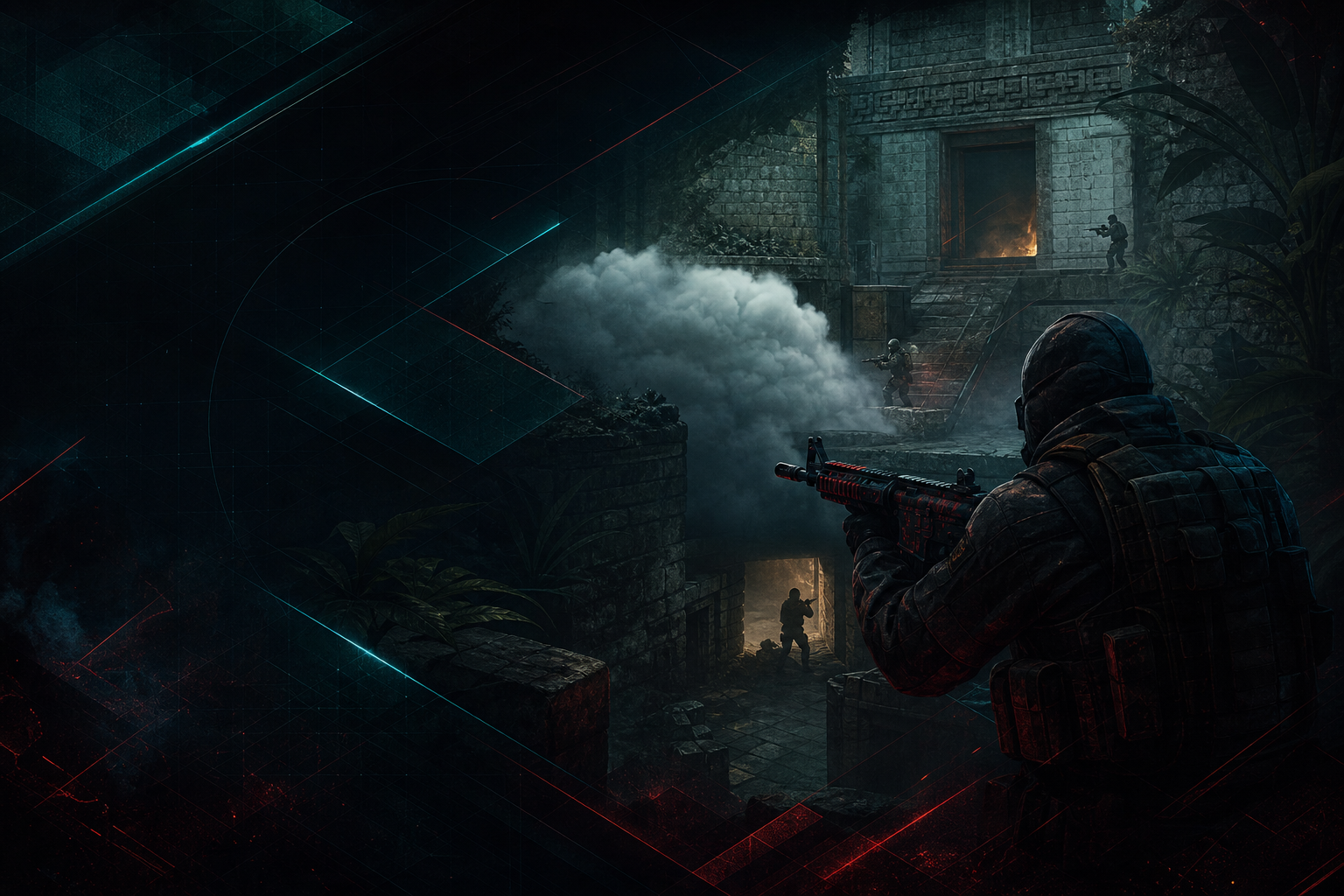
There’s a very specific kind of Ancient round that always makes me laugh: your T side gets the first pick, three bodies explode out of mid, someone yeets a nade into Donut, and 12 seconds later you’ve got four alive, zero map control, and a retake against utility-heavy CTs who are already posted on cave and A lane. That’s not pressure. That’s donating rounds.
Ancient looks like a rush map if you only watch highlight clips, but the actual CS2 version — with subtick, cleaner first-bullet registration, and CTs that can swing off info way faster than they could in the old CS:GO days — rewards patience way more than most players admit. If you want real T-side damage, stop treating every round like a 5K entry sprint.
Why Ancient punishes lazy rushing
Ancient is a weird map in the best and worst ways. The lanes are tight, the rotations are awkward, and the choke points are brutal once defenders get a read. A rushed T side usually ends up doing one of two things: you either stack bodies into a choke with no trade spacing, or you give away map control so fast that CTs can just anchor, stack utility, and wait for your bad timing.
That’s the problem. Ancient isn’t Mirage, where you can brute-force mid and still make the round feel playable. It’s not Dust2, where long or cat pressure can still create chaos after a messy exec. On Ancient, if you rush into A main or cave with no prior mid work, you’re basically trying to win a round with a lottery ticket.
And if the other side knows what they’re doing, they’ll farm you. Good Ancient CTs love early aggression from donut, mid, or cave because rushed Ts usually don’t have the spacing to punish it. One dead entry and suddenly your 2nd guy is staring at a molotov, your lurker is too far behind to trade, and the round becomes a save call before the bomb even crosses mid.
Slow T side isn’t passive — it’s control
People hear “play slow” and picture five guys sitting around doing nothing for 40 seconds. That’s not what good Ancient looks like. Slow T side means you’re taking space with a purpose, making the CTs spend utility, and forcing them to show you where the weak spots are before you commit.
On Ancient, that usually means mid first. Not always an instant mid explode, either. Just enough presence to make the defenders respect the possibility. A smoke, a flash, maybe a boost threat, then reposition. Suddenly cave can’t keep swinging freely, donut has to worry about being pinched, and the guy on B lane is wondering if he’s about to get isolated.
That’s real round value. Not pretty, but real.
What you actually get from slowing down
- CT utility burns out faster, especially nades for mid and cave.
- You force rotations without showing your full setup.
- Your lurker can matter instead of being a spectator.
- You get better late-round bomb plants, which matters a lot when your economy is thin.
- Rounds become easier to call off if the first read is bad.
That last one matters more than people think. If your team has 2,500-ish average CS Rating players and half the squad is trying to entry like they’re donk at Katowice, your comeback rate is going to be ugly. Slow rounds give you an exit plan. Rushes just give you a scoreboard problem.
Ancient utility gets way better when you’re not panicking
CS2 made utility feel snappier in a lot of spots, and subtick made a lot of interactions less clunky than the old days, but that doesn’t magically fix bad timing. Ancient is packed with places where a single smoke or flash changes the whole round. If you rush, most of that stuff gets thrown under stress, which usually means it’s late, off-angle, or doesn’t line up with the entry.
Play slower and utility starts doing actual work. A mid smoke can deny the CTs their favorite info peek. A donut flash can let you clear close A without losing half your HP to a shoulder peek. A cave molly can force a player deeper instead of letting him farm you from the first angle. On B, a well-timed pair of smokes can make the site feel a lot smaller for the defenders, which is exactly what you want.
There’s a reason pro teams keep coming back to structure on maps like Ancient. Watch a real Ancient round from MOUZ, FaZe, or Vitality and you’ll see a lot of fake pressure, late commitments, and lurk timing. They don’t just run at the site and pray. Even ZywOo — one of the cleanest aimers the game’s ever had — gets way more value when the round has shape to it. Same story with m0NESY when G2 are giving him space to read the defense instead of forcing him into a blind brawl.
The money side makes slow rounds even stronger
This is the part a lot of ranked players ignore. CS2 economy still punishes bad tempo. If you rush and lose two or three bodies early, you’re not just throwing that round. You’re wrecking the next one too.
Think about it in round numbers. A standard rifle buy on T side is roughly $2,500 to $4,500 depending on nades and armor. If your rush dies in 20 seconds, those AKs, armor kits, and flashes don’t get much value. A slower round that at least forces CT utility and gets a plant can turn a likely loss into a workable 2nd-round buy after the plant money kicks in. That’s how you keep your side from falling into the classic CT-sided spiral where every gun round is a desperate force buy.
And Ancient can snowball hard. A planted bomb means your loss bonus math gets less ugly, your future buys are cleaner, and suddenly you’re not running three Galils and hoping someone pops off. If you’re trying to grind Premier and your team keeps bleeding money on dead rushes, the map starts feeling unwinnable when it’s really just your tempo that’s bad.
How to actually play slow without looking lost
You don’t need a full strat book to stop rushing Ancient like headless chickens. You just need structure. A decent pug stack can do this with basic comms and a little discipline, and honestly that’s enough to beat a lot of teams up through mid-level Premier.
Start simple:
- Take mid presence early, then reset.
- Use one player to hold lurk timing instead of hard-grouping every round.
- Save a flash for the mid-round swing, not the opening peek.
- Let the bomb stay flexible until you know which site is weaker.
- Call off hits if you burn too much utility or lose the first contact.
That’s it. No magical CS2 voodoo. Just enough patience to force the defense to react before you do. If a CT keeps jiggle peeking mid for info, punish it. If cave is getting overplayed, fake that side and go elsewhere. If your A split is getting smoked out every time, stop treating A main like a moral obligation and hit B through a later timing.
Rushing has its place. Ancient just isn’t that place
I’m not saying never rush. A few fast rounds matter because they keep CTs honest, and every good Ancient team needs a burst round in the pocket for when the defenders get greedy. But if that’s your default, you’re making the map easier for the other side.
The best Ancient T halves I’ve seen — whether it’s in Major play, high-level FACEIT, or a nasty playoff run when teams are actually prepared — usually have this same pattern: patient early rounds, one or two tempo changes, then a sharp late-round hit when the CT side finally starts guessing. That’s how you beat a map that looks simple from the outside but keeps punishing lazy habits inside the round.
If you keep sprinting into Ancient and hoping aim saves you, you’re basically betting your half on someone else whiffing. Wouldn’t you rather make the CT side guess wrong for once?